
Sussex County Civil Records Search
Sussex County civil court records are kept at the Judicial Center in Newton. This is the northernmost county in New Jersey, covering 24 municipalities across a largely rural landscape. Sussex County is part of the Morris/Sussex Vicinage, sharing court administration with neighboring Morris County. Civil case filings, dockets, and judgments from Sussex County courts are open to public search. You can access these records online through state tools or visit the courthouse in Newton.
Sussex County Quick Facts
Sussex County Civil Courts in Newton
The Sussex Vicinage operates from the Judicial Center at 43-47 High Street in Newton. All civil matters for the county are processed at this location. Sussex County shares its vicinage with Morris County, but each county has its own courthouse and staff. The Newton courthouse handles all civil filings, hearings, and record requests for Sussex County residents.
Civil cases in Sussex County span the full range of disputes. The Civil Division takes lawsuits with claims over $15,000. Personal injury cases from accidents on Routes 15, 23, and 206 are common filings. Property line disputes between neighbors in the county's rural areas also come through this court. Contract breach claims and construction disputes appear on the docket regularly. These civil court records are filed and stored at the Sussex County Judicial Center in Newton.
| Court |
Sussex County Judicial Center 43-47 High Street Newton, NJ 07860 Phone: (973) 579-0900 |
|---|---|
| Hours | Monday through Friday, 8:30 AM to 4:30 PM |
| Website | njcourts.gov/courts/vicinages/sussex |
Note: Sussex County is part of the Morris/Sussex Vicinage, but all Sussex County civil court records are filed and stored at the Newton courthouse, not in Morristown.
How to Search Sussex County Civil Court Records
Three main methods let you search civil court records in Sussex County. Online search is the fastest. A visit to the courthouse gives you the widest access. Written requests work best for older files.
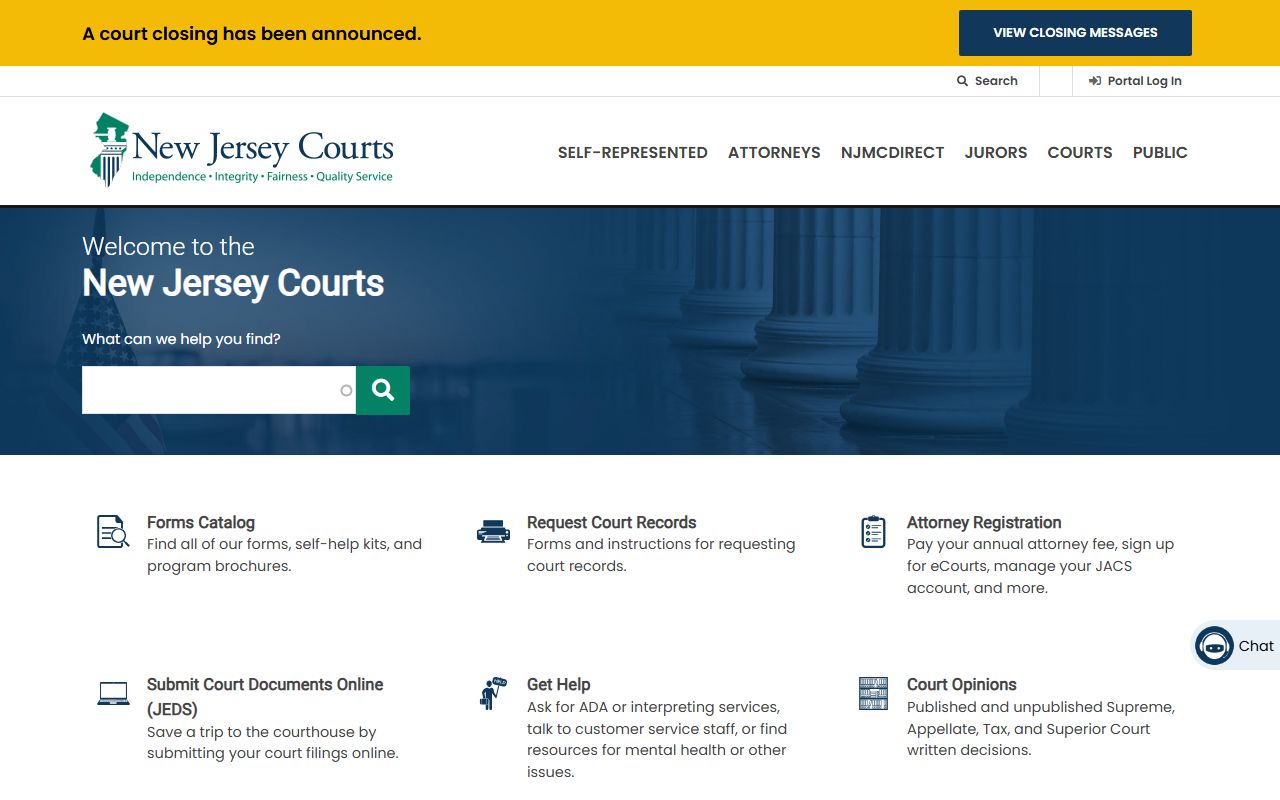
The New Jersey Courts case search tool covers all counties, including Sussex. Enter a party name or docket number to find civil case details. The tool shows filing dates, case types, and current status. It is free to use. Full documents do not appear online. To get copies of complaints, motions, or court orders from Sussex County, you must contact the clerk or file a formal request.
For in-person searches, go to 43-47 High Street in Newton. Bring a valid photo ID. Court staff can pull up civil court records by name or case number. You can view files at the clerk window. Plain copies cost $0.05 per page. Certified copies run $15 each. A sealed copy adds $10 to that amount. Exemplified copies cost $50. These are standard fees set by the New Jersey court system and apply to all Sussex County civil court records.
You may also submit an OPRA request under N.J.S.A. 47:1A-1 for Sussex County records that are hard to find at the counter. The custodian of records must respond within seven business days. This is a solid option for older civil court records or documents that need staff research to pull from storage.
Civil Cases Filed in Sussex County
Sussex County courts handle several types of civil disputes. Each type goes to a different division. Knowing the right division helps you find records faster.
The Civil Division hears large cases. Claims over $15,000 land here. Personal injury lawsuits are a steady part of the docket. Car crashes on the county's winding rural roads lead to many of these filings. Property damage claims and breach of contract suits between local businesses round out the caseload. Civil court records from this division can be extensive, with multiple filings over long periods.
Smaller disputes go to the Special Civil Part. This division covers claims from $5,000 to $20,000. Small claims up to $5,000 are also filed here. The process moves quicker. Many debt collection cases in Sussex County start in this part. Civil court records from the Special Civil Part are public and searchable through the same tools used for larger cases.
General Equity handles foreclosures, injunctions, and other equitable relief cases. Sussex County has seen foreclosure filings tied to both residential homes and rural properties. These civil court records are part of the same public system but managed by a dedicated team at the courthouse in Newton.
Note: Sussex County's rural geography means some civil cases involve land disputes, easement conflicts, and water rights that are less common in urban counties.
Sussex County Clerk and Surrogate
The Sussex County Clerk records deeds, mortgages, liens, and other property documents. This office is separate from the court but closely connected to many civil cases. Foreclosure lawsuits reference mortgages on file with the clerk. Lien disputes tie back to documents this office recorded. Anyone searching Sussex County civil court records should also check the County Clerk for related property filings that may support or explain a case.
The Sussex County Surrogate handles probate, wills, and estate matters. The office is at 83 Spring Street, Suite 302, in Newton. Reach them at (973) 579-0900. Guardianship cases and estate disputes often connect with civil court filings in Sussex County. When a civil case involves an inheritance or trust, the surrogate records may hold key details. Both offices serve the public during normal business hours and can help you locate records tied to civil court cases.
| Surrogate |
Sussex County Surrogate 83 Spring Street, Suite 302 Newton, NJ 07860 Phone: (973) 579-0900 |
|---|
Public Access to Sussex County Records
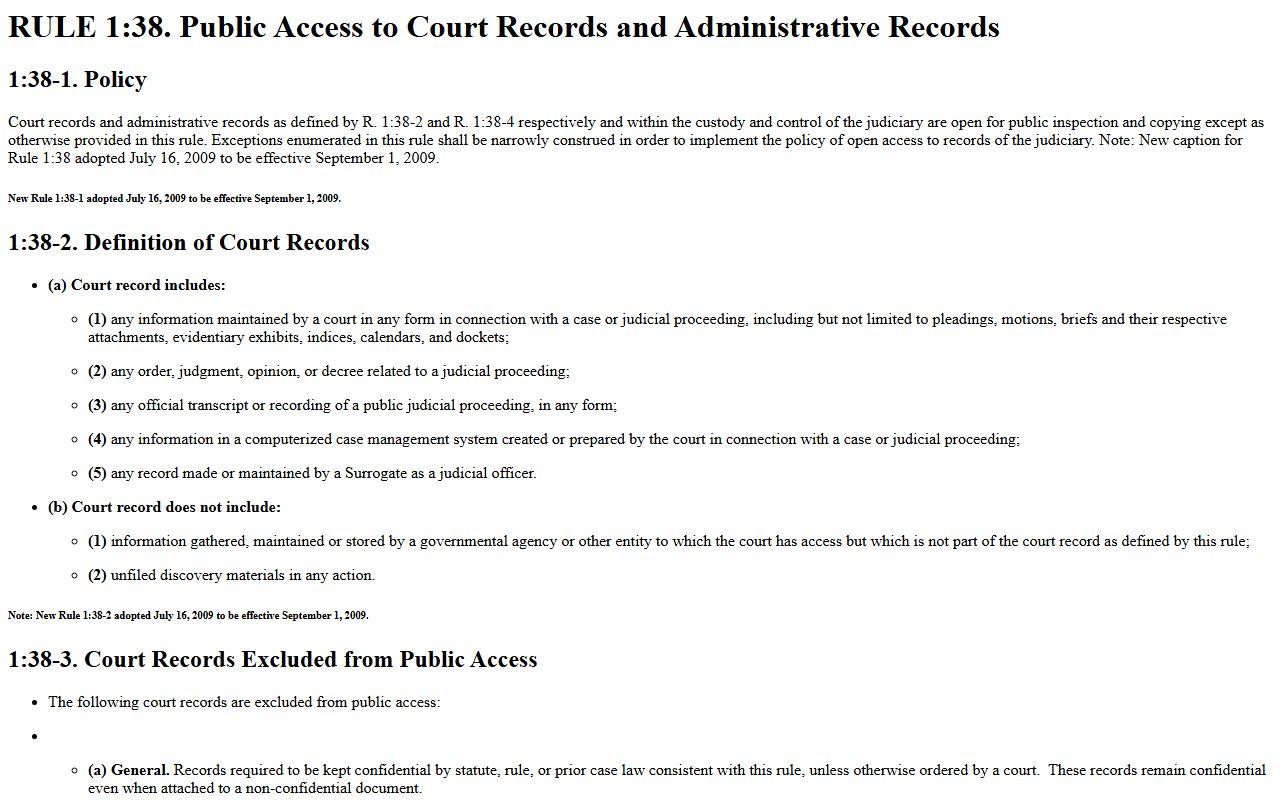
Civil court records in Sussex County are public. New Jersey law grants everyone the right to view and copy court filings. You do not need to be a party in the case. Under Court Rule 1:38, records stay open unless a judge seals them. This rule applies to all civil cases filed in Sussex County.
There are limited exceptions. A judge can seal a civil case file when privacy interests outweigh the public's right to access. Financial account numbers and Social Security numbers are redacted from public copies. Settlement agreements may remain confidential if both sides agree and the court approves. But the great majority of civil court records in Sussex County are open. Walk into the courthouse in Newton and ask to see any civil case file.
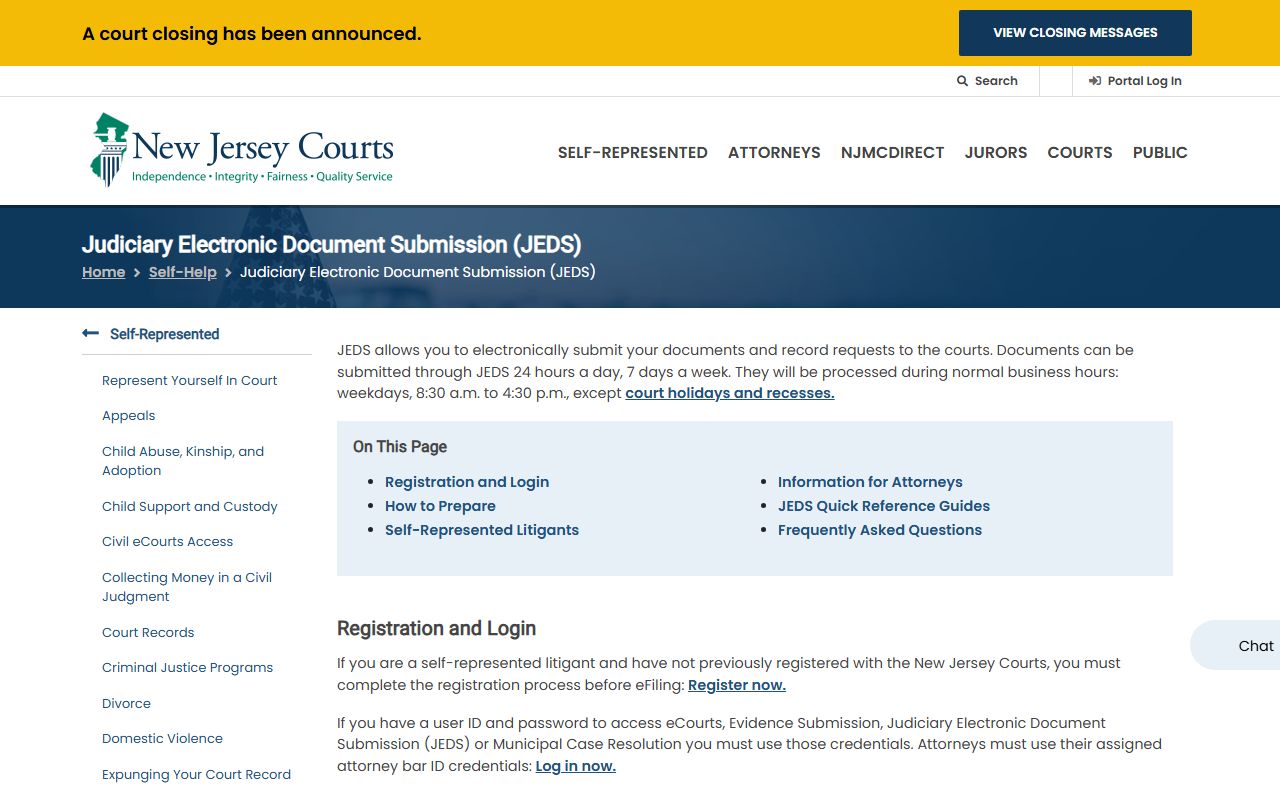
The Judiciary Electronic Document Submission system provides online access to some Sussex County civil court documents. Active parties and their attorneys can file and retrieve documents through this portal. It cuts down on trips to the Newton courthouse. The system does not cover every document, but its reach grows each year. More Sussex County civil court records become available through this tool over time.
Legal Help in Sussex County
Free legal assistance is available for civil matters in Sussex County. Legal Services of New Jersey runs a statewide hotline at (888) 576-5529. They help people with low income who face civil legal problems. Northwest New Jersey Legal Services also covers Sussex County for housing, consumer, and family civil matters.
The New Jersey Courts Self-Help Center is open to everyone at no cost. It offers forms, step-by-step guides, and instructions for people who represent themselves. Topics covered include small claims, debt defense, and landlord-tenant cases. This is a solid starting point for anyone filing or responding to a civil case in Sussex County without a lawyer.
The New Jersey State Bar Association runs a lawyer referral service at 1-800-792-8315. The first meeting lasts up to 30 minutes. They can match you with an attorney who handles civil cases in Sussex County. This service works well when you need legal advice but are not sure which lawyer to contact.
Note: Sussex County's rural location means fewer law offices are nearby, so phone and online legal resources can be especially helpful for residents seeking civil court assistance.
Nearby Counties
These counties border Sussex County. If you are searching for civil court records and are not sure which county holds them, check the address where the case was filed. Civil cases are heard in the county where the dispute arose or where the defendant lives.